

I Didn’t Watch the State of the Union. That Was the Point.
Let’s start here.
I did not tune in to the State of the Union this week.
Not because I’m uninformed.
Not because I’m apathetic.
Because I am done confusing performance with progress.
And based on the numbers, I’m not alone.
This year’s State of the Union drew significantly fewer viewers than recent addresses. Millions simply did not show up. That is not laziness. That is not disengagement.
That is a trust signal.
When the president’s biggest annual address can’t hold the country’s attention, it is worth asking why.
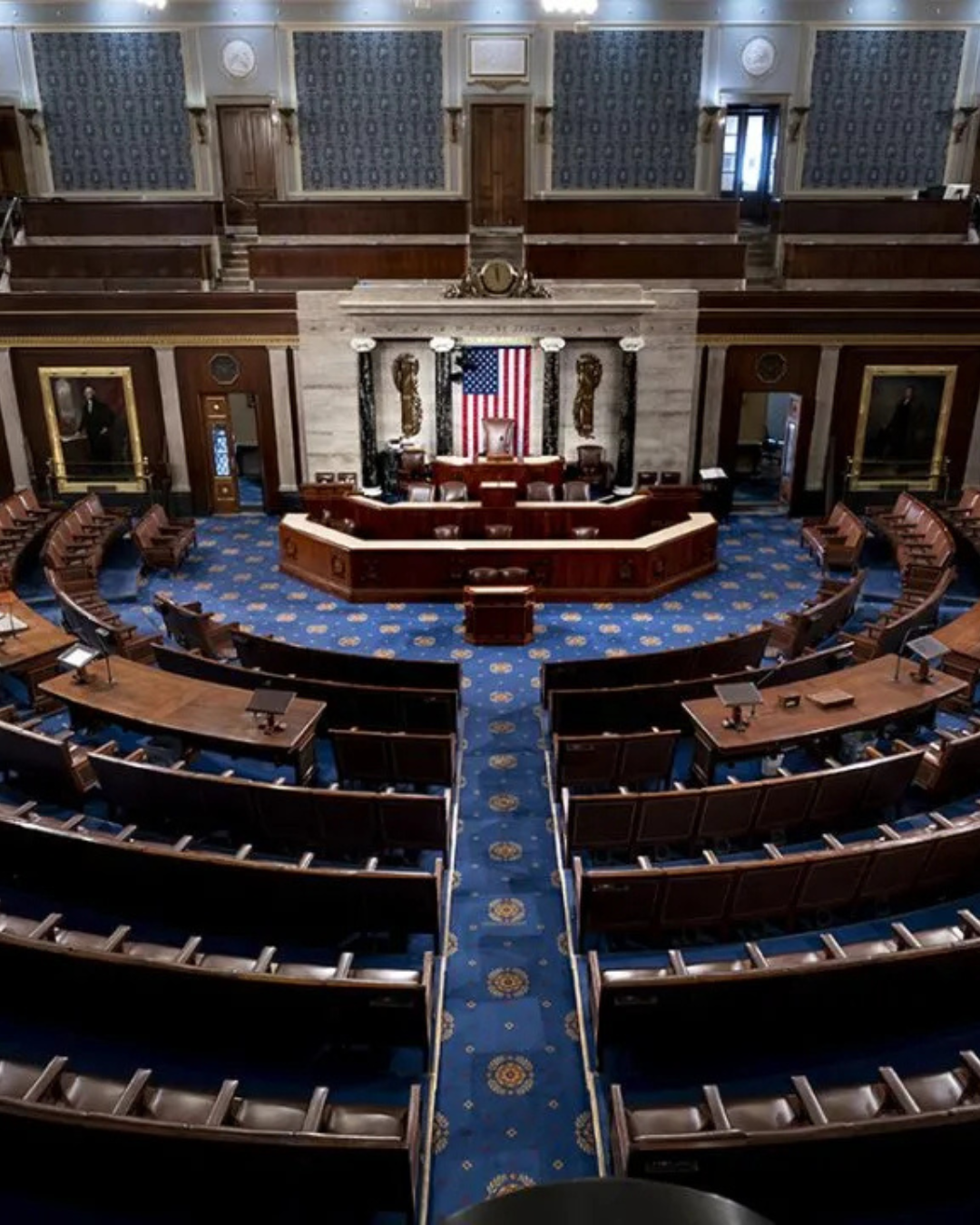
When Watching Used to Feel Responsible
There was a time when watching the State of the Union felt civic. Grounded. Necessary.
You tuned in to understand policy direction.
You tuned in to hear priorities.
You tuned in because transparency mattered.
Now it feels like a brand presentation wrapped in patriotic lighting.
And when messaging begins to feel curated rather than candid, viewership follows trust. Downward.
The Real State of the Union Is in the Data
If we actually want to assess the condition of this country, we do not need applause cues. We need numbers.
Housing affordability remains strained across major metropolitan areas. Mortgage rates, rental costs, and insurance premiums have materially shifted household budgets over the last several years. Grocery prices remain elevated compared to pre-2020 baselines. Healthcare costs continue rising faster than many wages.
Inflation may have cooled from peak crisis levels, but “cooler” is not the same as comfortable. The cost floor has reset higher. Families feel that every week.
Headline unemployment rates may appear stable, but underemployment, wage stagnation, and labor participation shifts tell a more complicated story. Stability on paper does not always translate to security in practice.
SNAP enrollment remains high. Food insecurity continues to disproportionately affect children and communities of color. Major cities report record or near-record unhoused populations, highlighting a housing supply crisis that speeches alone do not resolve.
That is the state of the union.
Not standing ovations.
Not split-screen applause.
Not optimistic framing.
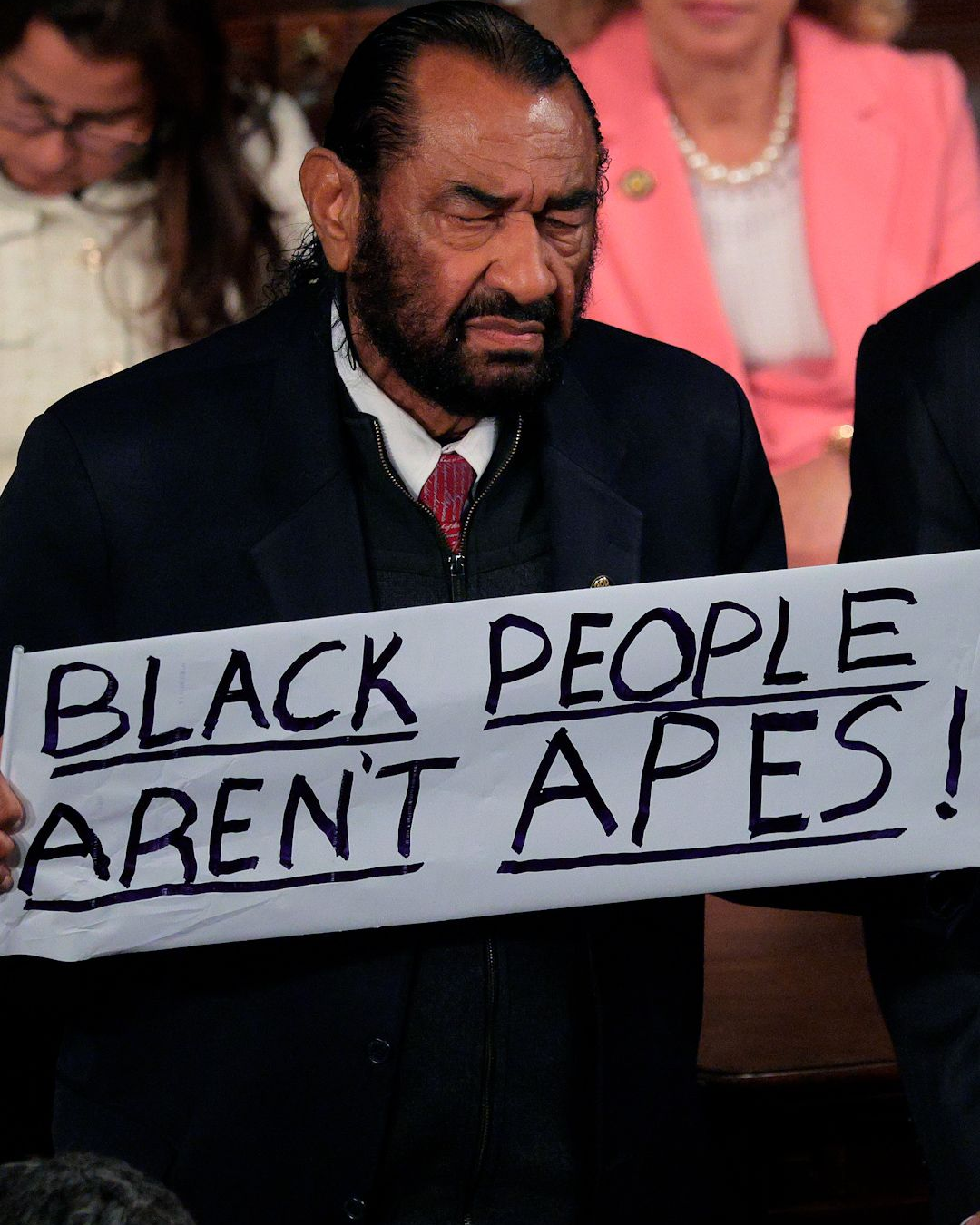
Why So Many Americans Feel Gaslit
The word feels dramatic, but it is worth unpacking.
Gaslighting in politics happens when messaging insists conditions are stronger than lived experience suggests.
You are told the economy is thriving while your rent rises again.
You are told inflation is “under control” while your grocery bill says otherwise.
You are told systems are secure while social safety nets remain strained.
You are told communities are protected while rights feel increasingly fragile.
The issue is not whether positive data points exist. Every administration can highlight favorable indicators.
The issue is alignment.
When official narratives repeatedly feel rosier than reality, trust erodes. And once trust erodes, credibility follows.
Declining State of the Union ratings are not random. They are a symptom of that credibility gap.
The Harm Is Not Evenly Distributed
Every administration affects different communities differently. That is simply a fact.
People of color continue to experience disproportionate economic volatility. Women are navigating rising childcare costs, healthcare uncertainty, and persistent wage gaps. Low-income families absorb inflation most aggressively because essentials comprise a larger share of their spending. The unhoused crisis has expanded visibly in cities across the country.
When those communities hear broad declarations of national strength without meaningful acknowledgment of structural strain, it feels dismissive.
And when people feel dismissed, they disengage.
Choosing Not to Watch Was Intentional
Attention is power.
Tuning into a nationally televised address once felt like participating in democracy. Increasingly, it feels like legitimizing narrative control.
I did not watch because I prefer primary sources over polished speeches. I prefer budget breakdowns over applause. I prefer measurable outcomes over rhetorical reassurance.
Being informed does not require sitting through a broadcast.
It requires reading economic reports. Tracking legislative votes. Watching budget allocations. Comparing global economic indicators. Looking at housing data. Watching how policies materially impact communities.
The production is optional. The metrics are not.
The Cultural Shift We Are Seeing
The least watched State of the Union in years is more than a media statistic.
It reflects a broader cultural shift toward institutional skepticism. Americans no longer automatically grant legitimacy through attention. Authority must now be earned through transparency, consistency, and results.
Optimism cannot be scripted into existence.
Trust cannot be applauded into being.
If leadership wants higher engagement next year, it will not come from stronger speechwriting. It will come from alignment between messaging and lived reality.
Final Thought
Skipping the State of the Union was not disengagement.
It was discernment.
The real state of the union lives in rent prices, grocery receipts, SNAP enrollment numbers, wage growth, global leverage, and community safety.
If those metrics improve, viewership will too.
Until then, applause does not equal progress.
And I am no longer confusing the two.